


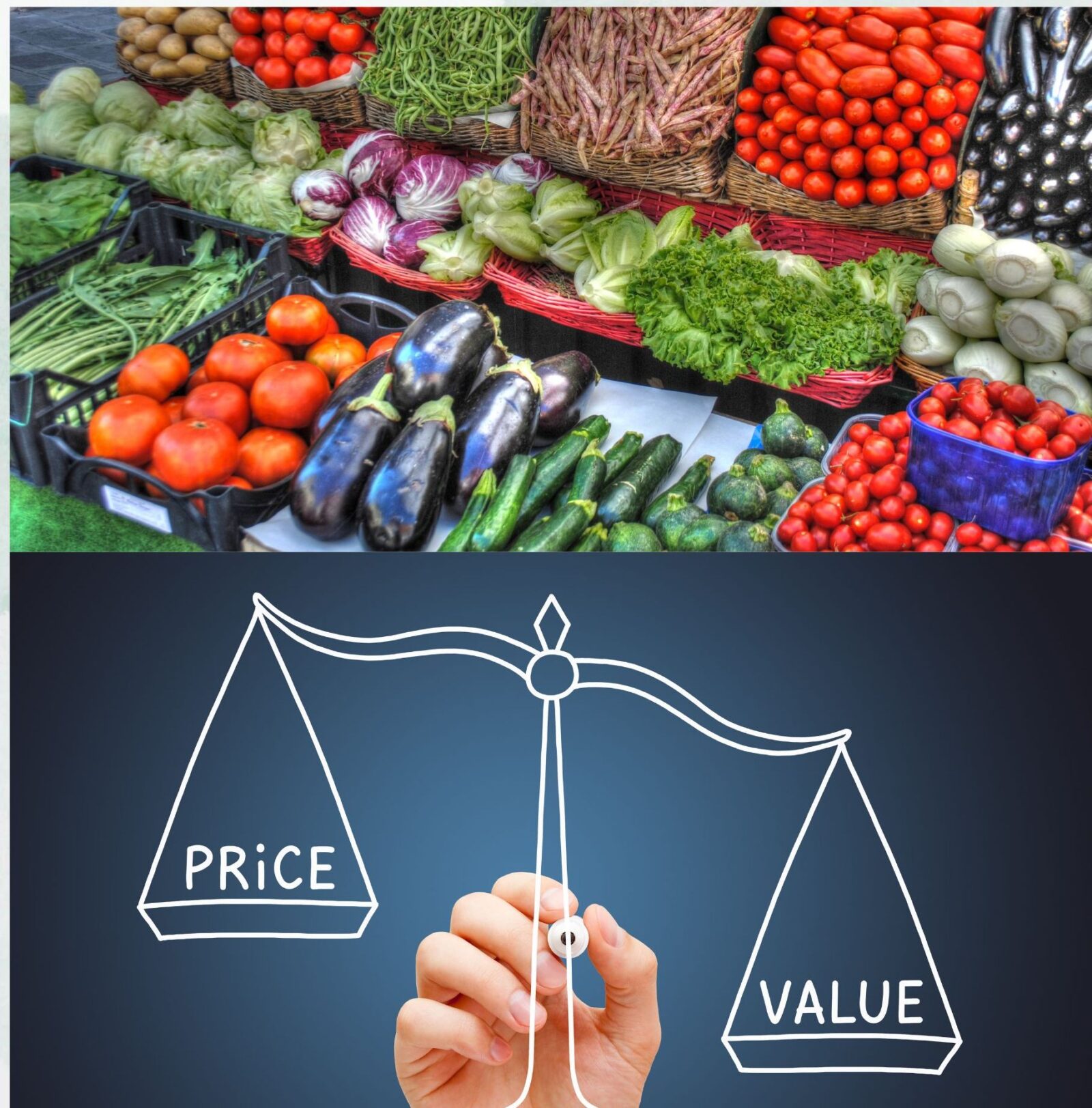
Agricultural value addition is a critical strategy to enhance farmers’ profitability, ensure sustainable food production, and reduce post-harvest losses. In Bangladesh, recent trends indicate that farmers are incurring significant losses due to the drastic fall in vegetable prices, particularly for crops such as tomatoes and cauliflower. This decline in prices is primarily driven by a lack of real-time market demand data, inadequate access to high-value markets, and the absence of processing and storage facilities. Furthermore, the underdeveloped export market and infrastructural constraints exacerbate the issue. In this context, value addition can serve as a vital mechanism to mitigate these challenges and improve the economic viability of vegetable farming.
Understanding Value Addition in Agriculture
Value addition refers to the process of transforming raw agricultural products into various consumer-ready forms while preserving their nutritional value. However, this transformation must align with consumer demand and market preferences to be effective. Unlike arbitrary processing, value-added agricultural products should be backed by extensive market research and technological interventions to ensure quality and acceptability.
Global Comparisons and Lessons from Japan
Countries like Japan have successfully implemented value addition in the vegetable sector through advanced processing techniques and consumer-driven innovations. Japanese farmers and agribusinesses focus on creating multiple product variations from a single crop, such as dried vegetables, vegetable-based snacks, purees, and ready-to-eat meals. These products cater to consumer preferences while reducing food waste and ensuring year-round availability. Additionally, Japan’s approach integrates scientific research with agricultural practices, involving agronomists, agricultural economists, nutritionists, and food technologists in the value chain.
The Need for Multidisciplinary Collaboration in Bangladesh
For Bangladesh to achieve meaningful progress in value addition, an interdisciplinary approach is essential. This requires collaboration among:
Agriculturists: To provide farmers with training on maintaining product quality and post-harvest handling techniques.
Agricultural Economists: To analyze consumer behavior, conduct market research, and raise awareness about the benefits of value-added products.
Nutritionists: To ensure that processing methods retain the nutritional integrity of vegetables.
Food Technologists: To develop innovative, market-driven products that can be efficiently commercialized.
A coordinated effort among these experts can lead to the establishment of research-driven projects focused on value addition. This will help identify market gaps, optimize production processes, and introduce innovative vegetable-based products that meet both local and international demand.
Challenges in Bangladesh’s Current Value Addition Practices
While some Bangladeshi companies are engaged in food processing, their focus remains limited to low-value products such as chips, biscuits, and beverages—many of which lack proper quality assurance. The country’s vegetable processing sector remains underdeveloped, failing to provide farmers with a viable alternative to direct fresh produce sales. Consequently, farmers are left vulnerable to price fluctuations, and a significant portion of perishable produce goes to waste due to the absence of storage and processing facilities.
Strategic Recommendations
To enhance value addition in Bangladesh’s vegetable sector, the following strategies should be implemented:
Market-Oriented Research: Extensive studies on consumer preferences and market trends should be conducted to determine which processed vegetable products have the highest demand.
Investment in Cold Storage and Processing Facilities: Establishing region-specific storage and processing centers will allow farmers to extend the shelf life of their produce.
Development of Export-Oriented Processing Units: Encouraging the production of export-quality vegetable products can open new markets and reduce dependence on domestic price fluctuations.
Government and Private Sector Support: Policies should be introduced to facilitate farmer cooperatives, provide subsidies for value-added product development, and create incentives for agribusiness investments.
Consumer Awareness Campaigns: Educational initiatives should highlight the benefits of consuming processed but nutritionally intact vegetable products to drive market demand.
Conclusion
Incorporating value addition into Bangladesh’s vegetable sector is not merely an option but a necessity for sustainable agricultural growth. By integrating research, technology, and market-driven strategies, the country can significantly reduce food losses, enhance farmers’ incomes, and strengthen its agricultural economy. The successful implementation of a structured value addition framework will ensure that farmers are not left vulnerable to price volatility, while consumers benefit from diversified, high-quality vegetable products throughout the year.
Written by:
Mahfuzur Rahman
PhD Fellow
Kagoshima University, Japan


#agro_research_international #value_addition
#Agribusiness #SupplyChain #Agriculture #FoodSupplyChain #AgriSupplyChain #FarmToTable #AgTech #SustainableAgriculture
#AgribusinessManagement #AgriLogistics #FarmManagement
Contact:
If you have any questions, thoughts, or suggestions, please contact us or join our social media networks.
Email us: agribusinessedu@gmail.com, info@agribusinessedu.com
Feel free to comment:
Your email address will not be shared with anyone.
Join our LinkedIn group
https://www.linkedin.com/groups/13943442/
Join our Facebook group
https://www.facebook.com/groups/agribusinesseducationandresearchinternational
You may read:
Agribusiness Supply Chain Overview – Agribusiness Education and Research International
Key Principles of Agribusiness Economics – Agribusiness Education and Research International
Agribusiness operational decision-making tools – Agribusiness Education and Research International
The Dollar Crisis and Agro Enterprise Management – Agribusiness Education and Research International
https://agribusinessedu.com/why-is-market-information-important/
Agribusiness value chain in Southeast Asia – Agribusiness Education and Research International
You May Read: What are the Characteristics and Traits of an Entrepreneur? – Agribusiness Education and Research International
You may read: Agribusiness how it works? – Agribusiness Education and Research International
You may read: Covid -19 Pandemic Impact on Agribusiness – Agribusiness Education and Research International
You may read: What is Agribusiness? – Agribusiness Education and Research International
You may read: Agribusiness in Bangladesh – A Basic Introduction – Agribusiness Education and Research International
You may read: Organic Agriculture Introduction – Agribusiness Education and Research International
You may read: What is Sustainable Agriculture? – Agribusiness Education and Research International
What is Permaculture? – Agribusiness Education and Research International
E-Commerce and Supply Chain Finance – Agribusiness Education and Research International
What is Supply Chain Finance? – Agribusiness Education and Research International
What is an agile supply chain in Agribusiness? – Agribusiness Education and Research International
What is Supply Chain Management in Agribusiness? – Agribusiness Education and Research International
Supply chain management and Agribusiness – Agribusiness Education and Research International
Factors Affecting Supply Elasticity – Agribusiness Education and Research International

